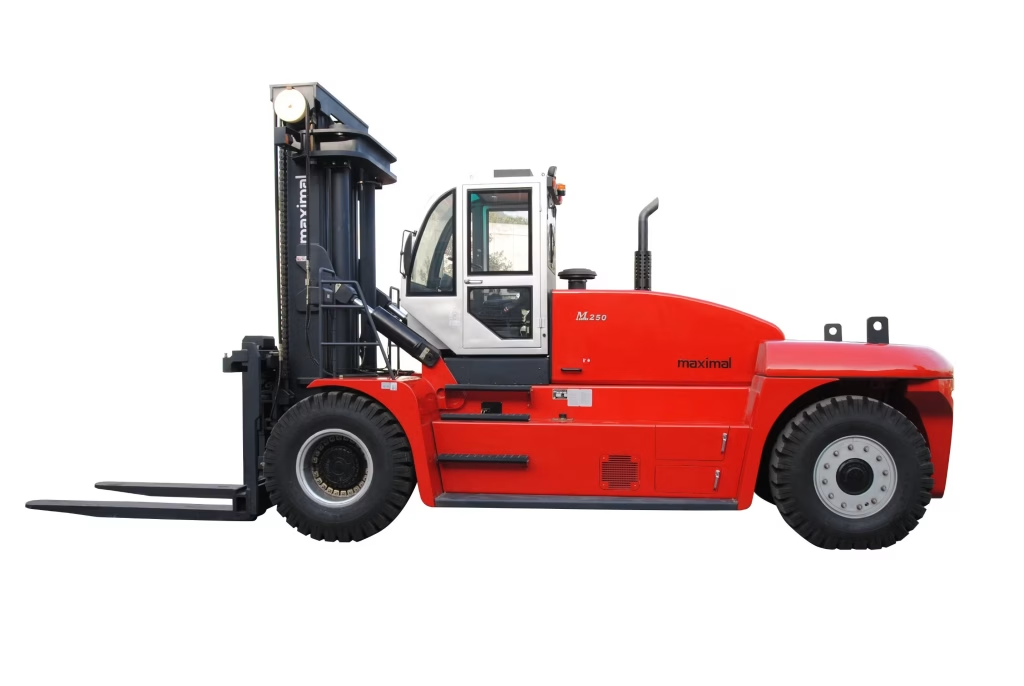
Diesel Forklift

Stacked with world class safety features, excellent performance, outstanding productive forces and user friendly ergonomics, it's simply first class.

GOODSENSE FORKLIFT AE: World First-class Diesel Forklift Manufacturer Dubai

Experience the robust performance of GOODSENSE diesel forklifts. Engineered for demanding environments, our diesel models provide the power and reliability you expect from a leading global and Chinese manufacturer. Maximize your operational efficiency with our heavy-duty diesel solutions.

What is a Diesel Forklift

GOODSENSE diesel forklifts are powered by robust diesel engines, providing exceptional power and reliability for demanding material handling tasks. Ideal for outdoor operations and heavy lifting, they’re a top choice for industries requiring extended operational hours and consistent performance.

When outdoor performance is critical, GOODSENSE diesel forklifts are the solution. Powered by durable diesel engines, they provide the strength and reliability needed for heavy lifting and extended operation in diverse industrial settings.


Advantages of Diesel Forklift in Dubai

High torque output

Diesel engines' high torque enables GOODSENSE diesel forklifts to handle heavy loads and operate effectively on rough terrain and slopes, making them perfect for outdoor and heavy-duty use.


Long Longevity

Diesel engines offer exceptional durability and longevity, designed for rugged environments and continuous operation without overheating or performance loss.


Fuel Efficiency

GOODSENSE diesel forklifts are more fuel-efficient than gasoline models, especially in heavy load applications, leading to lower operating costs and making them ideal for environments with limited electric charging.


Adaptability to Various Conditions

GOODSENSE diesel forklifts handle diverse outdoor conditions, including uneven surfaces, gravel, and mud, thanks to their robust build and powerful engines.


Fast Refueling

Boost your productivity with the efficient refueling of GOODSENSE diesel forklifts. Unlike electric forklifts, which require charging, diesel models can be rapidly refueled, ensuring minimal downtime and maximizing continuous operation.


Versatility and Load Capacity

Discover the versatility of GOODSENSE diesel forklifts. Our comprehensive range includes small indoor models and large outdoor machines, each designed to handle varying load capacities and suit diverse application requirements.


6 Features Of Goodsense Diesel Forklift

1

Intelligent LCD instrument

The driver can understand the working status of the engine and forklift in real time through the LCD screen.


4

Suspended cab

The cab is suspended above the vehicle body through 4 integrated hydraulic shock pads, and the vibration of the cab is reduced by more than 30%. In addition, we have optimized the intake and exhaust system, low-position air intake window and closed footrest, which reduces the noise around the driver's ears by 3db.

 
2

Ultra-wide angle & ultra-wide viewing distance

The wide-angle mast design can ensure that the driver has a clear and wide field of vision; and the forklift can be used in a variety of occasions.

5

Comfortable space

The wide leg room and safe and reasonable functional layout in the cockpit ensure the comfort and safety of the operator for long-term operation.

 
3

Wide reversing vision

We optimize the counterweight design to increase the driver's rear field of vision, so that they can ensure better visibility when reversing to determine the distance.

6

Cloud intelligent forklift management system

We apply advanced Internet of Things and Internet technologies to help users carefully manage vehicles, intelligently control and intelligent logistics control, and improve the level of enterprise equipment management and logistics management.


The Strategic Guide to Buying a Diesel Forklift

Purchasing a diesel forklift is a capital-intensive decision that impacts operational efficiency. With the market saturated by options, focusing on performance metrics, total cost of ownership (TCO), and regional suitability is vital. This guide simplifies the selection process with data-driven insights and expert analysis.

Diesel vs. The Competition: A Data-Driven Comparison

Understanding the operational profile of your facility is the first step. Here is how diesel stacks up against alternatives:

  • Diesel: The powerhouse of the industry. Ideal for heavy lifting and outdoor ruggedness.
    • Pros: High torque*; lower upfront cost (often 20-30% less than electric); continuous operation (8+ hours per tank).
    • Cons: Emissions require ventilation; higher long-term fuel/maintenance costs.
  • Electric: The standard for indoor hygiene.
    • Pros: Zero emissions; lower operating costs (up to 50% less fuel/maintenance than diesel); quiet operation.
    • Cons: High initial capital investment; charging infrastructure requirements; downtime for recharging.
  • Propane: The versatile middle ground.
    • Pros: Suitable for indoor/outdoor mixed use; quick refueling.
    • Cons: Fuel price volatility; tank management logistics.

Expert Verdict: Choose Diesel if your primary operations are outdoor, heavy-duty, or require multi-shift capabilities without charging interruptions. Choose Electric for indoor, food-grade, or pharmaceutical environments where air quality is paramount.

Key Specifications: What to Analyze

When evaluating models, do not rely on sales brochures alone. Inspect these five critical areas:

  1. Lift Capacity: Always select a capacity that exceeds your maximum typical load by at least 20%. This safety buffer prevents tipping and reduces mechanical stress.
  2. Mast Configuration:
    • 2-Stage Mast: Standard for general lifting; good visibility.
    • 3-Stage (Duplex) Mast: Essential for high-reach in warehouses with low doorways.
  3. Tire Selection:
    • Cushion Tires: For smooth, indoor concrete only.
    • Pneumatic Tires: Essential for uneven terrain, lumber yards, or outdoor construction sites.
  4. Engine Performance: Look for established industrial engines (e.g., Kubota or Toyota). Focus on torque ratings rather than just horsepower—torque determines lifting power at low speeds.
  5. Total Cost of Ownership (TCO): Factor in purchase price, estimated fuel consumption (diesel engines typically consume 0.5 to 0.8 gallons per hour), and scheduled maintenance intervals.

Regional Insights & Top Brands

Market geography matters. In hot climates like the UAE, standard cooling systems may fail, leading to downtime.

  • Goodsense Forklift AE: A key player in the Middle East, they offer models specifically tuned for regional harsh climates. They provide critical insight into local applications, ensuring cooling systems and hydraulics withstand extreme heat—a factor often overlooked by global brands.
  • Toyota: The industry benchmark for reliability. Their resale value retention is statistically among the highest in the market.
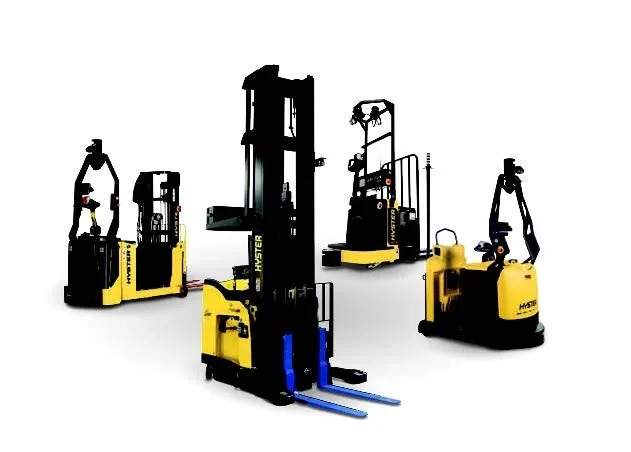
  • Hyster: Built for "heavy-duty" cycles. If your case study involves a scrapyard or 24/7 lumber yard, Hyster’s durability justifies its premium price.
  • Yale: Offers the best "price-to-performance" ratio. Dependable mechanics without the luxury markup.

Practical Case Study A construction firm in Dubai initially chose electric forklifts to reduce carbon footprint but faced 4 hours of daily downtime due to battery charging in 40°C heat. By switching to a diesel model optimized for high temperatures (sourced via a regional specialist like Goodsense), they eliminated charging downtime and reduced heat-related battery failures by 100%.

Final FAQ

  • Are diesel forklifts being phased out? No. While urban emissions regulations are tightening, diesel remains the only viable option for high-capacity outdoor heavy industry.
  • What is the average lifespan? With proper maintenance, a diesel forklift can log 10,000 to 20,000 hours. A neglected unit may fail before 5,000 hours.
  • Is used a good option? Only with full service records. A used forklift with 8,000 hours and no history is a liability.
 

Quick Glossary

  • Torque: Rotational force. High torque allows the forklift to start moving or lift a heavy load from a standstill without stalling.
  • Mast: The vertical assembly that raises and lowers the load.
  • Pneumatic Tires: Air-filled tires designed to absorb shock on uneven surfaces.

Honor And Qualification

Official certification, professional after sales service.

p20240720171820e3133

ISO 14001:2015

p202407201718240a975

ISO 9001:2015

p202407201151562c6a7

ECM CERTIFICATE 2

p20240720115145d5357

ECM CERTIFICATE 3

FAQ

Q: How much diesel does a 3 ton forklift use?

3ton diesel forklift: 2.9L ~ 3.9L.

Q: What is the use of diesel forklift?
Load Capacity: Diesel forklifts are big, they can handle heavy loads and materials. Moreover, they can accelerate faster, making them ideal for bigger jobs. Higher Torque: Diesel forklifts have bigger engines, generating higher torque required for heavy-duty operations.
 
Q: How fast can a diesel forklift go?
The forklift speed limit varies depending on the type of vehicle, the load being carried, and the environment in which the forklift is being operated. For example, most electric forklifts have a top speed of around 8 miles per hour, while diesel-powered forklifts can reach speeds of up to 18 miles per hour.
 
Q: Can you use a diesel forklift indoors?

Diesel-powered forklifts must be used outdoors, as the emissions they produce are dangerous if inhaled in an enclosed area.

Q: How many hours do diesel forklifts last?
A: The average lifespan of a forklift is 10,000 hours.
Q: How much diesel does a forklift use per hour?
The highly popular versatile Hyster XT forklift series can consume between 2.7L and 3.6L of diesel per hour of operation depending on the lift capacity and engine type.
 
Q: When should you refuel a diesel forklift?
Fill the fuel tank at the end of each day. Do not fill the tank to the top; it may overflow because fuel expands as it is heated. Follow correct refueling procedures: Park the forklift in the designated refueling area.
Q: Is a forklift harder to drive than a car?
You'll only navigate safely through a buy building or warehouse when you understand that a forklift is nowhere as responsive as a car. Forklifts have rear-wheel steering, which makes it difficult to stop swiftly. Remember, forklifts are heavy machinery, so they're precarious to drive.
Q: Is it OK to smoke while driving forklift?
A Smoking could lead to the ignition of fuel, batteries, and other potentially dangerous, flammable, and explosive materials.
 
Q: What is the top speed of a forklift truck?
A common forklift max speed is 10 miles per hour. But many businesses set their forklift speed limit at 5 mph, particularly if working around pedestrians, forklifts, or other equipment. The risks of speeding forklifts include compromised steering, risk of tip-overs, reduced ability to stop, and fines and penalties.
Â