

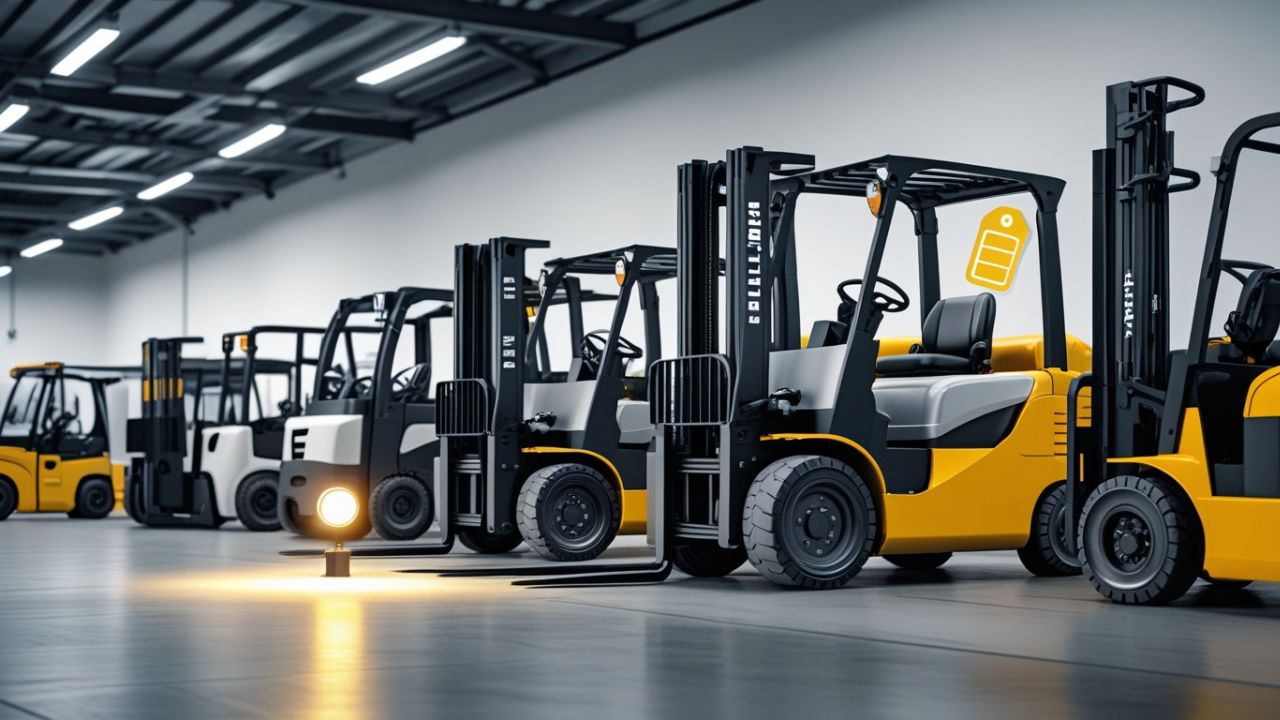

Buying a forklift in 2026 is more about fit than brand. Pick what matches your work. Keep it simple. This guide walks you through the key choices.
1. Start with the real job – Forklift Truck
- Write down what you lift most days.
- Note the heaviest load and the usual load.
- Measure max lift height and aisle width.
- Count shifts per day and how many hours each truck must run.
Pick a capacity that is higher than your regular max. Aim for a safety margin so the truck works without strain.
2. Power type matters more than ever
Choices today are electric (battery), diesel, and LPG/propane. Each has clear trade-offs.
- Electric (battery) — Quiet, no exhaust, lower daily running costs. Lithium-ion batteries charge fast and support multi-shift use without big battery swaps. If you work mostly indoors, electric is often the best fit.
- Diesel — Strong for outdoor, heavy, continuous use. Refuel fast. But you get noise and emissions. Choose diesel for yards and rough ground.
- LPG/Propane — A middle ground. Cleaner than diesel. Faster refuel than batteries. Works indoors if ventilation is OK.
Note: Li-ion adoption is rising quickly in 2025–2026. Expect more electric choices and better battery tech.
3. Match the forklift type to your layout
Counterbalance — General purpose. Good for open spaces.
Reach truck — Best for high racks and narrow aisles.
Pallet truck / stacker — Short moves and low stacks.
Rough terrain — Uneven or outdoor sites.
If your aisles are tight, measure before you buy. A truck that won’t turn in your space is wasted money.
4. Think about uptime and shifts
Heavy daily workloads need high uptime.
- Check the truck’s duty cycle and recommended continuous run time.
- For electric trucks, plan chargers and spare batteries or opportunity charging. Lithium chargers can top up quickly during breaks.
- For diesel, plan fuel logistics and quick refueling spots.
If you run multiple shifts, plan for at least one spare battery or a second truck during peaks.
5. Safety and operator comfort
Forklift accidents happen. Safety features matter.
- Look for stability features and good visibility. Cameras help in busy yards.
- Choose ergonomic seats and simple controls to cut operator fatigue.
- Consider driver-assist options like speed reduction in turns and load-sensing alarms.
Training matters too. Even the safest truck still needs a trained operator.
6. Attachments and speciality needs
Think about attachments before you buy.
- Side-shifters for quick positioning.
- Clamps for drums or bags.
- Fork extensions for long loads.
Attachments change lift capacity and balance. Ask the dealer to confirm safe ratings with your choice of attachment.
7. Service, parts, and local support
Downtime costs more than finance charges.
- Ask about local service centers and spare part availability.
- Check warranty and service contracts.
- See if the dealer offers 24/7 support or fast response for breakdowns.
A cheaper truck with slow service can be more expensive over time.
8. New trends to consider in 2026
- Li-ion batteries: faster charging and less maintenance than lead-acid. They support multi-shift ops and reduce need for battery rooms.
- Automation: autonomous and semi-autonomous forklifts are growing, mainly for repetitive tasks and safety goals. But full automation depends on layout and investment.
- Sustainability rules: some regions push zero-emission fleets. If you operate in regulated areas, check local rules before choosing diesel.
9. Buy, lease, or rent?
- Buy if you need long-term, full-time use and can handle maintenance.
- Lease for stable monthly costs and easier upgrades.
- Rent for peaks, tests, or one-off projects.
Compare total cost of ownership: purchase price, fuel/electric cost, maintenance, downtime, resale value.
Quick decision checklist
- Capacity > your max load?
- Power type fits indoor/outdoor mix?
- Truck fits aisle width and rack heights?
- Local service and parts available?
- Plan for charging/refuel to avoid downtime?
FAQ
1. Is lithium-ion worth the extra cost in 2026?
Often yes for multi-shift indoor ops. Faster charging and lower maintenance cut long-term costs. But check upfront cost and charger needs.
2. How much extra capacity should I allow?
Allow a safety margin above your usual max. Many operators use about 15–25% extra to avoid overload and stress.
3. Should I consider automation now?
Look at automation for repetitive tasks or safety hot spots. It can reduce injuries and labor needs, but layout and investment matter. Test on a small scale first.


