


More warehouses are choosing battery (electric) forklifts. The reasons are simple. They cut indoor pollution. They are quieter. They often cost less to run over time. Below I explain the main benefits, the things to plan for, and three short FAQs.
Main Benefits of Battery Forklift
No on-site exhaust: Electric forklifts produce no tailpipe emissions while running. That helps indoor air quality and reduces ventilation needs.
Quieter operation: Less engine noise makes the floor easier to work on and lowers operator fatigue.
Lower routine maintenance: Fewer moving parts means fewer oil changes, fewer filters, and less mechanical work. That can cut service hours and bills.
Flexible charging with modern batteries: Lithium batteries charge faster and allow opportunity charging during breaks. That reduces the need for large battery swap rooms.
Better for clean, cold, or food-storage sites: Zero local emissions and quieter machines suit hygiene-sensitive environments.
Recommended products
-

3 Ton Oil to Electric Lithium Battery Forklift
Get QuotationSubmit Quotation for Price -
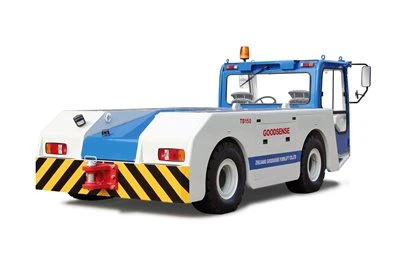
Battery Powered Aircraft Tow Tractor UAE
Get QuotationSubmit Quotation for Price -

3.5 T High Voltage Lithium Battery Forklift
Get QuotationSubmit Quotation for Price -

Battery Passenger Steps UAE
Get QuotationSubmit Quotation for Price -

Belt Loader Lithium Battery UAE
Get QuotationSubmit Quotation for Price
What this means for your warehouse
Health and Comfort
- Workers breathe cleaner air.
- That lowers risks tied to fumes.
- a quieter floor is easier on hearing and stress levels.
- These are simple wins for staff well-being.
Costs and Uptime
Electric forklifts often save money on routine service. Electricity can be cheaper than diesel per operating hour, depending on local rates. Also, lithium batteries hold steady power through a shift, which keeps performance consistent. Over time, these factors can cut total operating cost.
Productivity and Handling
Electric motors provide smooth, steady torque. That helps with precise lifts and repeatable moves. Faster charging or opportunity charging means less downtime between shifts.
Trade-offs and what to plan for
- Charging infrastructure: You will need chargers, space for charging, and possibly electrical upgrades. Plan the layout and power load before you buy trucks.
- Battery type choices: Lead-acid batteries cost less up front but need watering, long charge cycles, and a swap room. Lithium costs more up front but charges fast, needs less upkeep, and often lasts longer. Match battery choice to your shifts and budget.
- Outdoor heavy-duty work: Diesel still performs strongly for long continuous outdoor jobs and very heavy lifts. Electric options are improving, but for some outdoor tasks diesel may be a better fit.
- Safety and handling: Charging areas need clear safety procedures. Lead-acid batteries involve acid and watering. Lithium systems need proper thermal management and charger controls. Train staff and set rules.
Quick checklist before you switch to Battery Forklift
- Map your typical shift lengths and duty cycles. Know how long each truck must run.
- Choose battery tech based on shift pattern: lead-acid for long continuous runs with swaps; lithium for multi-shift or opportunity charging.
- Plan chargers, ventilation for lead-acid rooms, and any electrical upgrades. Don’t let chargers be an afterthought.
- Train operators on charging safety and battery handling. Include emergency procedures and PPE.
- Start small. Pilot a few trucks in normal operation. Track downtime, energy use, and maintenance. Adjust before a full fleet swap.
Bottom line
Battery forklifts are a strong choice for indoor warehouses, cold storage, and sites that need low noise and clean air. They reduce routine maintenance and can lower operating costs, especially with modern lithium batteries. But they need charging infrastructure and the right battery type for your shifts. Match the truck to the job and plan the chargers and training first.
FAQs
1. How long do forklift batteries last?
Lead-acid batteries often give 3–6 years with good care. Modern lithium batteries commonly last longer, often 7–10 years depending on cycles and use. Actual life varies by application.
2. Can I charge during short breaks?
Yes — that’s one big advantage of lithium. Fast charging and opportunity charging let you top up during breaks. Lead-acid usually needs full cycles and cool-down, so it’s less suited to short top-ups.
3. Do electric forklifts work outdoors?
They can, but consider the job. Diesel still excels for long, continuous outdoor work and rough terrain. Electric models are improving, so test them on your tasks before you decide.


