

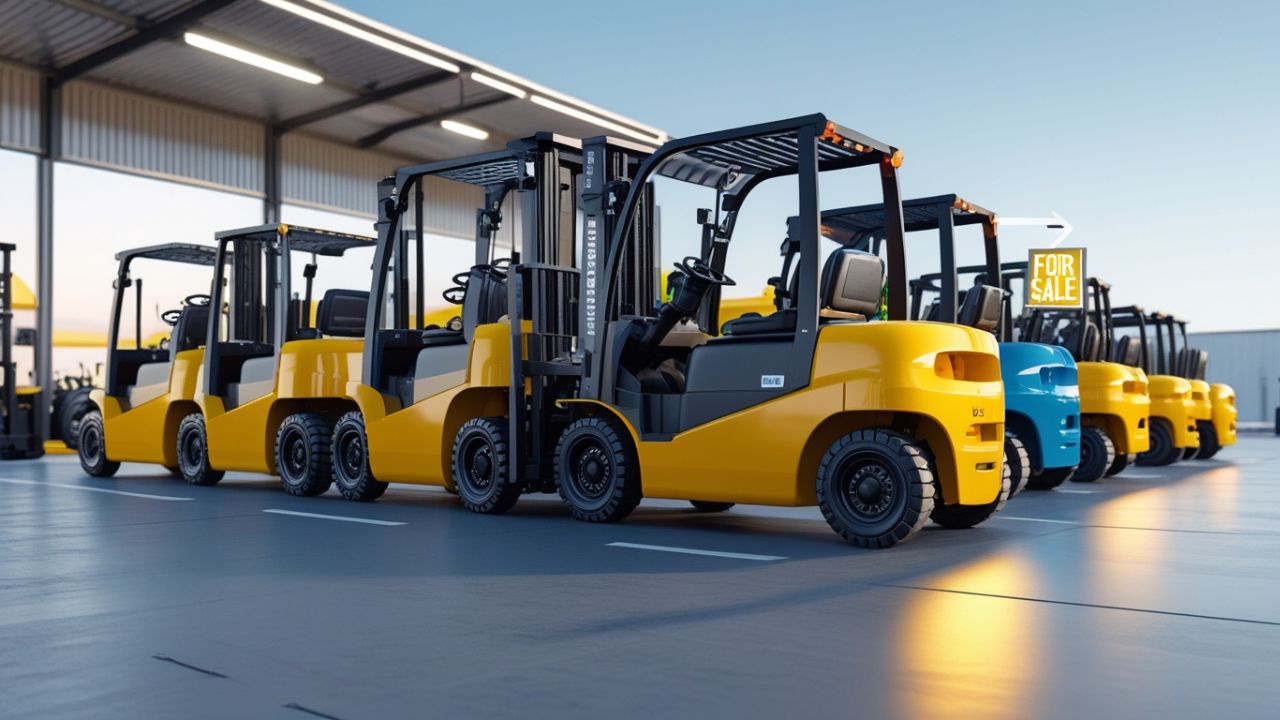

Finding the right forklift for your business can feel overwhelming. With so many types and brands, how do you know which one is best? The good news is that a little research can save you a lot of money. This guide will help you compare your local options, understand prices, and choose the right forklift for your needs.
Types of Forklifts Available Near You
First, you need to know which kind of forklift fits your workspace and tasks.
Counterbalance Forklifts
This is the most common forklift you’ll see.
- Best for: General warehouse work, both indoors and outdoors.
- Pros & Cons:
- Pros: Very versatile, no overhead guard needed, easy to use.
- Cons: Needs wide aisles to turn.
- Typical Price Range: $15,000 – $45,000 (new)
Reach Trucks
These are built for space-efficient storage.
- Best for: Narrow aisles and very high racks.
- Pros & Cons:
- Pros: Maximizes storage space, can lift loads very high.
- Cons: Can be more complex to operate, best for smooth warehouse floors.
- Typical Price Range: $20,000 – $50,000 (new)
Pallet Jacks (Manual & Electric)
A simple and cost-effective solution for moving pallets.
- Best for: Small businesses, retail spaces, and light loading.
- Pros & Cons:
- Pros: Low cost, easy to maintain, very maneuverable.
- Cons: Limited lifting height, manual models require physical effort.
- Typical Price Range: $500 – $5,000
Rough Terrain Forklifts
These are the heavy-duty machines for outdoor jobs.
- Best for: Construction sites, lumber yards, and farms.
- Pros & Cons:
- Pros: Large, pneumatic tires, powerful engines for uneven ground.
- Cons: Not suitable for indoor use, higher fuel costs.
- Typical Price Range: $30,000 – $80,000 (new)
Order Pickers
This forklift carries the operator up to the load.
- Best for: Fulfillment centers where workers pick items directly from high shelves.
- Pros & Cons:
- Pros: Improves picking speed and safety at height.
- Cons: Only for specific “order picking” tasks.
- Typical Price Range: $15,000 – $40,000 (new)
Brand Comparison: Which Forklift Manufacturer Is Best?
Here’s a quick look at some of the top brands you’ll find.
Toyota Forklifts
- Key Features: Known for exceptional reliability and strong dealer support.
- Strengths vs. Weaknesses:
- Strengths: Great resale value, very few breakdowns.
- Weaknesses: Can have a higher upfront price.
- Price Expectations: A premium brand, but often worth the investment.
Hyster Forklifts
- Durability: Built to last, especially for demanding, high-cycle applications.
- Maintenance Costs: Parts are readily available, which can help control long-term costs.
- Price Expectations: Competitively priced with other top-tier brands.
Yale Forklifts
- Technology & Ergonomics: Focuses on operator comfort and modern features.
- Strengths vs. Weaknesses:
- Strengths: Excellent ergonomics, strong electric models.
- Weaknesses: May not be as dominant in the internal combustion market.
- Price Expectations: Good value, often a bit less than Toyota or Hyster.
Caterpillar (CAT) Forklifts
- Power & Performance: A trusted name known for powerful engines.
- Engine vs. Electric Models: Offers a full range, but often recognized for its engine-powered models.
- Price Expectations: Mid to high-range, reflecting the brand’s reputation.
New vs. Used Forklifts — Which Saves More?
This is a major decision that impacts your budget.
Benefits of Buying New
- Full manufacturer warranty.
- Better fuel or battery efficiency.
- Lower risk of unexpected repairs.
Benefits of Buying Used
- Immediate cost savings.
- A great option for small businesses or seasonal work.
- Always inspect it first, or buy from a certified dealer.
Price Breakdown
- New Forklift: $15,000 – $80,000+
- Used Forklift: $5,000 – $25,000
- Depreciation: A new forklift loses value quickly in the first few years. A used one has already gone through that drop.
How to Compare Forklift Prices Near You
Don’t just look at the sticker price. Compare these factors:
- Lifting Capacity: How much weight it can lift.
- Power Type: Electric, propane, or diesel.
- Lift Height: How high you need to reach.
- Mast Type: Standard, triple, or quad.
Get quotes from at least three local dealers. Ask about seasonal promotions or demo models for a better price.
Additional Costs to Consider
The purchase price is just the start. Remember to budget for:
- Regular maintenance and service fees.
- Fuel (propane, diesel) or battery charging costs.
- Delivery and setup charges.
- Operator training for your team.
- Insurance and any necessary safety equipment.
Recommended Forklifts for Different Budgets
- Best Under $10,000: A used electric pallet jack or a well-maintained used counterbalance forklift.
- Best Under $20,000: A newer used counterbalance forklift or a basic new pallet jack.
- Premium Forklifts for Large Facilities: Invest in new, high-capacity reach trucks or rough terrain models for maximum productivity.
FAQs
What is the average forklift lifespan?
With proper care, a forklift can last 10,000 hours or more. That’s about 5-7 years of regular use.
Is it cheaper to buy or rent?
For long-term, daily use, buying is almost always cheaper. Renting is better for short-term projects or to handle temporary spikes in work.
How much does forklift maintenance cost?
Plan for a few hundred to a few thousand dollars per year, depending on age and use. Regular servicing is much cheaper than major repairs.
Conclusion
Choosing the right forklift means matching the machine to your job and your budget. By comparing types, brands, and local dealers, you can make a smart choice. Don’t rush the process. Get multiple quotes, ask questions, and find the forklift that will help your business run smoothly.
Start comparing forklift prices near you today and save big


